Globetrotting The New York Times
Powered by WPeMatico
Powered by WPeMatico
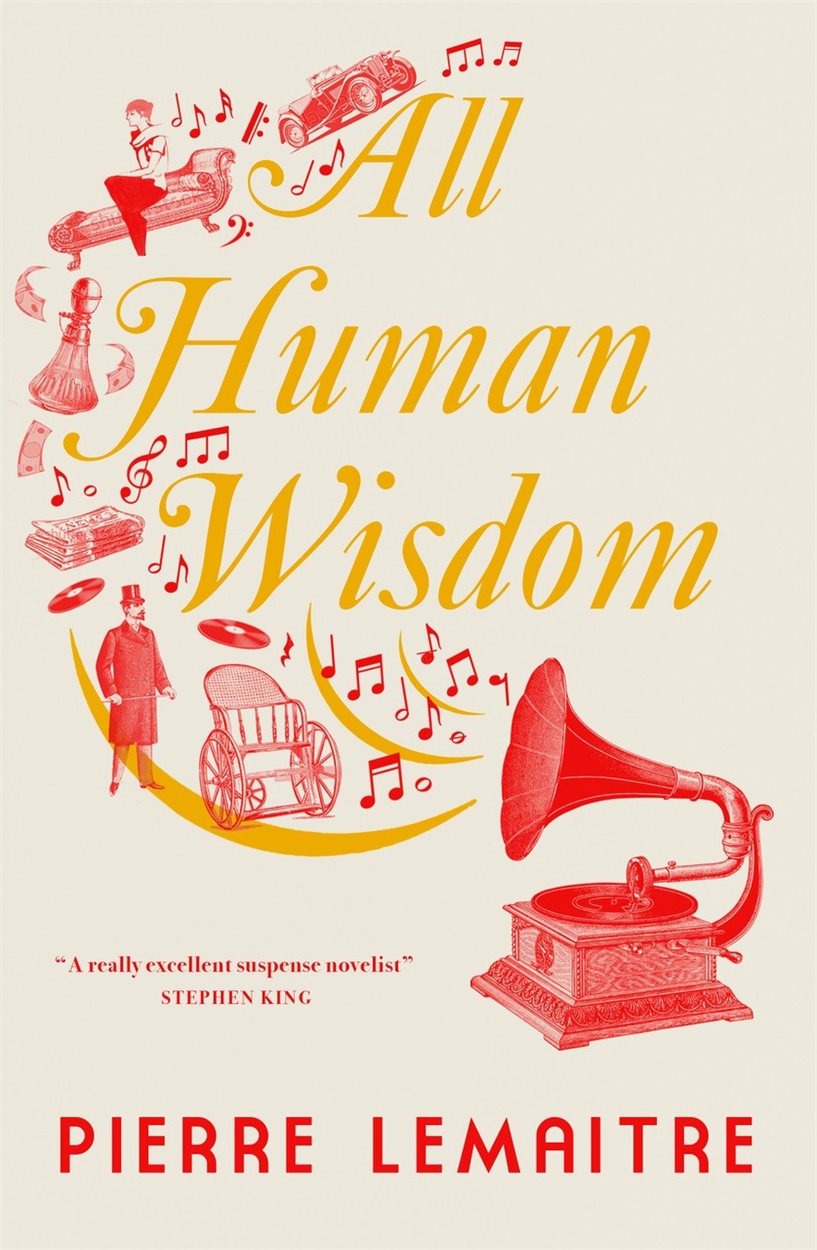 The second volume of Pierre Lemaitre’s enthralling, award-winning between-the-wars trilogy
In 1927, the great and the good of Paris gather at the funeral of the wealthy banker, Marcel Péricourt. His daughter, Madeleine, is poised to take over his financial empire (although, unfortunately, she knows next to nothing about banking). More unfortunately still, when Madeleine’s seven-year-old son, Paul, tumbles from a second floor window of the Péricourt mansion on the day of his grandfather’s funeral, and suffers life-changing injuries, his fall sets off a chain of events that will reduce Madeleine to destitution and ruin in a matter of months.
Using all her reserves of ingenuity, resourcefulness, and a burning desire for retribution, Madeleine sets about rebuilding her life. She will be helped by an ex-Communist fixer, a Polish nurse who doesn’t speak a word of French, a brainless petty criminal with a talent for sabotage, an exiled German Jewish chemist, a very expensive forger, an opera singer with a handy flair for theatrics, and her own son with ideas for a creative new business to take Paris by storm.
A brilliant, imaginative, free-falling caper through between-the-wars Paris, and a portrait of Europe on the edge of disaster.
“The most purely enjoyable book I’ve read this year” Jake Kerridge, Sunday Telegraph
“The vast sweep of the novel and its array of extraordinary secondary characters have attracted comparisons with the works of Balzac. Moving, angry, intelligent – and compulsive” Marcel Berlins, The Times
Powered by WPeMatico
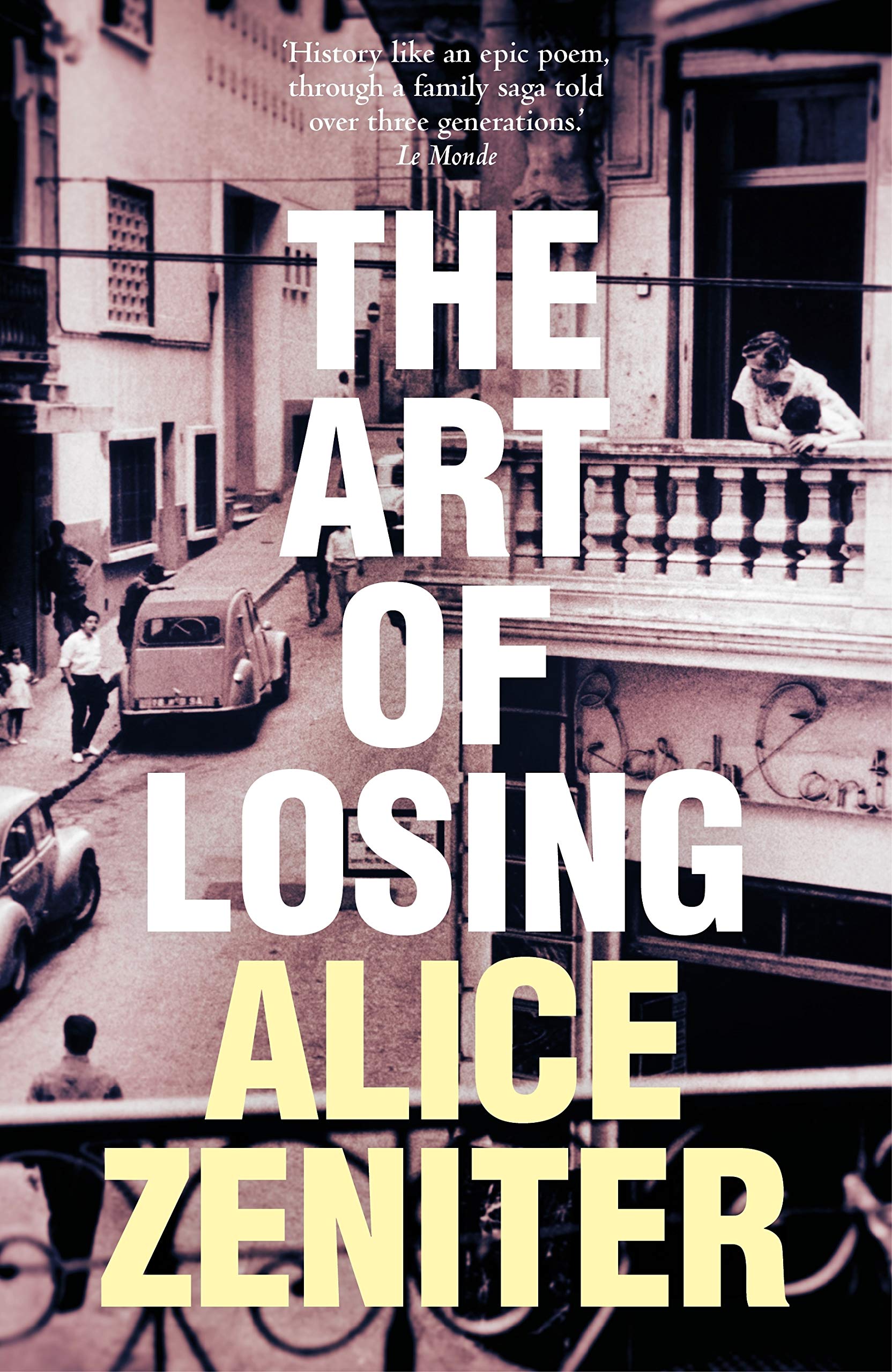 Naïma has always known that her family came from Algeria – but up until now, that meant very little to her. Born and raised in France, her knowledge of that foreign country is limited to what she’s learned from her grandparents’ tiny flat in a crumbling French sink estate: the food cooked for her, the few precious things they brought with them when they fled.
On the past, her family is silent. Why was her grandfather Ali forced to leave? Was he a harki – an Algerian who worked for and supported the French during the Algerian War of Independence? Once a wealthy landowner, how did he become an immigrant scratching a living in France?
Naïma’s father, Hamid, says he remembers nothing. A child when the family left, in France he re-made himself: education was his ticket out of the family home, the key to acceptance into French society.
But now, for the first time since they left, one of Ali’s family is going back. Naïma will see Algeria for herself, will ask the questions about her family’s history that, till now, have had no answers.
Spanning three generations across seventy years, Alice Zeniter’s The Art of Losing tells the story of how people carry on in the face of loss: the loss of a country, an identity, a way to speak to your children. It’s a story of colonization and immigration, and how in some ways, we are a product of the things we’ve left behind.
A Most Anticipated Book of 2021: The Millions, The New York Times’ “Globetrotting”
Winner of the Prix Goncourt des Lycéens
Winner of Le Monde‘s Literary Prize
A Sunday Times Translated Book of the Month Pick
“Ms. Zeniter’s extraordinary achievement is to transform a complicated conflict into a compelling family chronicle, rich in visual detail and lustrous in language. Her storytelling, splendidly translated by Frank Wynne, carries the reader through different generations, cities, cultures, and mindsets without breaking its spell… With The Art of Losing, Ms. Zeniter shows fiction’s power as a hedge against loss of the past: the art of regaining.”
―The Wall Street Journal
“Remarkable… superbly handled… It speaks urgently to our times.”
―The Sunday Times
“Visceral… An incredible [book]… that requires rapt attention. It is a novel that scales the walls of history and excavates lessons with curiosity and anger.”
―The Observer
“This pacy, complex piece of historical fiction… explores the tangled reality of identity.”
―The New Statesman
“France, like Britain, hardly lacks for migrant fictions now, but Zeniter traces their lonely passage exceptionally well. Her fine-grained scenes unroll into a grander historical canvas. The translator Frank Wynne, in another stellar outing, stylishly catches both her intimate and epic notes… With its panoramic vision and generous spirit, The Art of Losing finds shoots of hope amid the stony landscapes of the past.”
―The Spectator
“Absorbing… as Chimamanda Adichie did in Half of a Yellow Sun, and Yvonne Adhiambo Owuor with Dust, Alice Zeniter joins the ranks of these authors in filling silences, whether individual or collective.”
―The East African
“Both a classic tale of the immigrant experience and a meditation on how that experience reverberates through generations of a family.”
―Booklist, starred review
“Zeniter’s narrative … is densely packed with fact and feeling about Algeria’s often difficult relationship with France and France’s difficult relationship with Algerians… the novel provides a crash course in a contemporary problem with historical roots. Where are you from? Zeniter’s family saga addresses this question and a more difficult one: What if you don’t know?”
―Kirkus
“In Zeniter’s ruminative latest (after Take This Man), a French Algerian woman unearths her shrouded family history and reckons with the question of what constitutes a homeland. … Zeniter skillfully demonstrates the impact of colonialism on family, country, and the historical archive. With nuance and grace, this meditative novel adds to the understanding of a complex, uncomfortable era of French history.”
―Publishers Weekly
“The best book I read in 2020 . . . Through this masterful novel, [Alice Zeniter] created space for thinking through nations, politics, family, love and transmissions, while bringing some much-needed nuance and humanity to this period of our recent history.”
―Bad Form
“The Art of Losing is an exceptional novel, a masterful meditation on the negative space of history. With surgical control and deep emotional precision, Alice Zeniter tells the story of a family at once severed from and forever tethered to its past, survivors of colonialism’s residual wreckage. There is about this book the sense of literature’s great upending power, a brilliant light cast on the lives of those who, in the grand current of geopolitics, would otherwise be confined to shadows.”
―Omar El Akkad, author of American War
Powered by WPeMatico
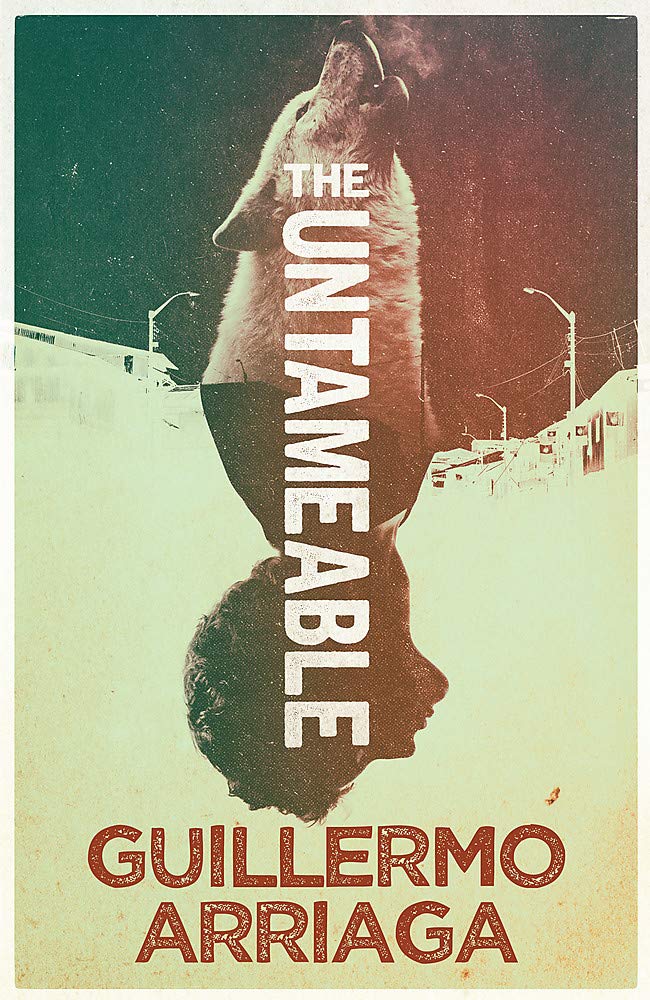 Goodfellas meets White Fang. A gripping coming of age thriller of vengeance and destiny set between Mexico City’s murderous 1960s underworld and the bleak tundras of Canada’s most remote province. By the BAFTA-winning screenwriter of Amores Perros.
In the Yukon, Canada’s far north. A young man tracks a wolf through the wilderness.
The one his grandfather warned him about:
“Of all the wolves you will see in your life, one alone will be your master.”
In Mexico City, Juan Guillermo has pledged vengeance.
For his murdered brother, Carlos.
For his parents, sentenced to death by their grief.
But in 1960s Mexico justice is sold to the highest bidder,
and the Catholic fanatics who killed Carlos are allied to Zunita,
a corrupt and influential police commander.
If he is to quench his thirst for revenge
Juan Guillermo will have to answer his inner call of the wild
and discover what links his destiny to a hunter on the other side of America.
An epic novel of revenge and retribution, in which the story of a teenage boy seeking vengeance for the murder of his brother by a sinister cabal is interwoven with that of an Inuit wolf hunter and his prey, The Untameable is a story of pure adventure, unfolding in the fragmented, non-linear fashion that Arriaga is famous for, and set against a backdrop of repression, police brutality and Church intrigue.
Sublime Arriaga. The Untameable consecrates its author as the best contemporary Mexican writer and as an indisputable figure among the writers in the world. — Gabri Ródenas ― Zenda.
An absolutely unique author. A pounding novel. — Guadalupe Nettel
The Untameable is one of the best books I have read. — Santiago Gamboa
The Untameable is showing us once again the mastery of Arriaga as a weaver of parallel stories that converge in the end. It’s his personal imprint. — Álvaro Soto ― El Correo
An exuberant celebration of the wildness in both man and nature, this is simultaneously cinematic, literary and compelling, dragging the reader along into a world of corruption and beauty like no other. A genuine event book.
— Maxim Jakubowski ― Crime Time
Epic . . . A magnificent beast of a book. ― Weekend Sport
An epic tale . . . The screenwriter of such awe-inspiring films as Amores Perros, 21 Grams and Babel is a genius at making connections between far-flung people and events. ― Sunday Times Crime Club
Powered by WPeMatico
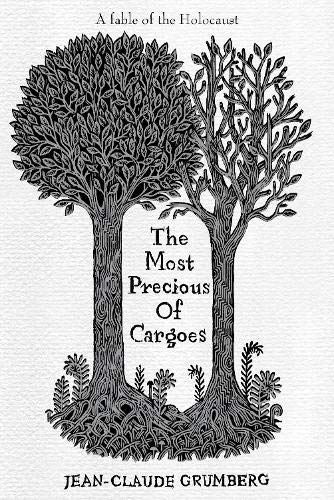 Once upon a time in an enormous forest lived a woodcutter and his wife. The woodcutter is very poor and a war rages around them, making it difficult for them to put food on the table. Yet every night, his wife prays for a child.
A Jewish father rides on a train holding twin babies. His wife no longer has enough milk to feed both children. In hopes of saving them both, he wraps his daughter in a shawl and throws her into the forest.
While foraging for food, the wife finds a bundle, a baby girl wrapped in a shawl. Although she knows harboring this baby could lead to her death, she takes the child home.
Set against the horrors of the Holocaust and told with a fairytale-like lyricism, The Most Precious of Cargoes is a fable about family and redemption which reminds us that humanity can be found in the most inhumane of places.
“With subtlety and intention, the novella ultimately implores us to consider the purpose of literature after tragedy…It is difficult, in 2020, to write a work of fiction about the Holocaust that is original; even simply in this sense, Grumberg’s work succeeds where many have failed.”–Kirkus Reviews (starred review)
“This swift, intense novelette…is dreamy and ethereal, repeating themes of milk, sustenance, and what it means to love a child. An excellent choice for book clubs.”–Booklist
Powered by WPeMatico
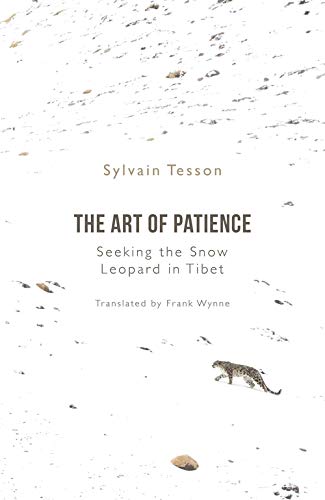 The Art of Patience sees the renowned French adventurer and writer set off for the high plateaux of remotest Tibet in search of the elusive snow leopard. There, in the company of leading wildlife photographer Vincent Munier and two companions, at 5,000 metres and in temperatures of -25ºC, the team set up their hides on exposed mountainsides, and occasionally in the luxury of an icy cave, to await a visitation from the almost mythical beast.
This tightly focused and tautly written narrative is simultaneously a dazzling account of an exacting journey, an apprenticeship in the art of patience, an acceptance of the ruthlessness of the natural world and, finally, a plea for ecological sanity.
A small masterpiece, it is one of those books that demands to be read again and again.
‘The Art of Patience is extraordinarily beautiful, a narrative of prose that flows with poetry, a long last loving glance at the planet, a visit to the vital bedside of a living world determined to stay alive.’
Carl Safina, author of Becoming Wild: How Animals Learn to be Animals
‘Beautifully written, beautifully translated, intensely moving and totally absorbing.’
— Stanley Johnson, author of Where the Wild Things Were
‘[One of] the best books of the year.’
― Financial Times on Consolations of the Forest
‘I thought I’d rip through this book. But it’s not something you want to read fast. Tesson, who I came to like more and more, is trying to rearrange his relationship with time. Being alone, miles from anywhere, encourages him to sit still and watch things.’
― Spectator on Consolations of the Forest
‘He comes across as the brainiest, daftest, sternest, funniest, most companionable hermit you’ll ever meet.’
― The Guardian on Consolations of the Forest
Powered by WPeMatico
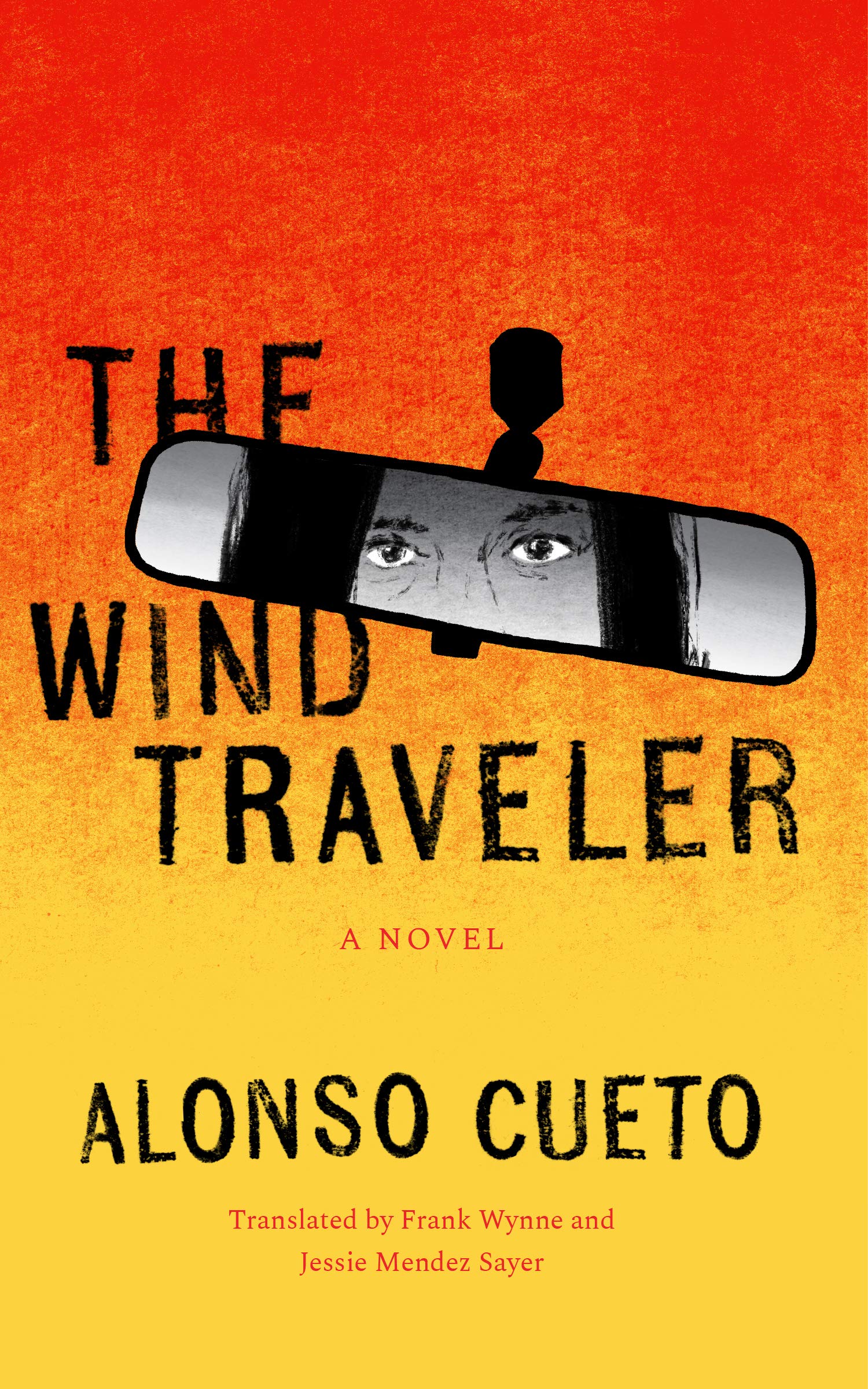 The Wind Traveler showcases the mesmerizing storytelling of Alonso Cueto at the top of his career. At the heart of his latest work is a seemingly ordinary man named Ángel, who sells kitchenware at a store in Lima. In the early 1990s, he had served as an army soldier, engaging in brutal acts whose aftermath still reverberates. He is forced to reckon with his past when a woman he was instructed to kill enters the store and buys a few items. How can she still be alive? What’s more, how can she not recognize Ángel? Remarkably, she asks him to deliver her purchases to her house. From this moment, Ángel feels compelled to make amends through any means necessary, even if it requires sacrificing his life of quiet retirement.
A stirring tribute to the wounded souls who yearn to make peace with the past, The Wind Traveler offers a new vision of the fragile human connections that sustain a deeply fractured world.
“Staggering…Cueto imbues every page and character with the brutal consequences of war in his compulsively readable story of a man’s reckoning with a history of violence. Wynne and Mendez’s splendid translation brings readers an essential work of Peruvian literature.” ― Publishers Weekly, Starred Review
“The Wind Traveler is a lyrical novel about loss and atonement…Throughout, details capture the essences of places and people. Cueto’s scenes and descriptions are tactile and immediate, conveying subtext and deeper meaning. Metaphors set a mood that supports the story’s overarching themes of trauma, guilt, and the idea that we are forever bound to people we harm and who harm us, even if that harm is unintended…The Wind Traveler is a powerful, multi-layered novel that meditates on life and death, pain and suffering.” ― Foreword Reviews
“[The Wind Traveler] feels more like two novels. The larger part is rote exercise and bald suspense. Within this, there is a more nuanced, and thus more mesmerizing, consideration of purpose and atonement.” ― New York Times
Powered by WPeMatico
 ‘I write from the realms of the ugly, for the ugly, the frigid, the unfucked and the unfuckables, all those excluded from the great meat market of female flesh, and for all those guys who don’t want to be protectors, for those who would like to be but don’t know how, for those who are not ambitious, competitive, or well-endowed. Because this ideal of the seductive white woman constantly being waved under our noses – well, I’m pretty sure it doesn’t exist.’
Powerful, provocative and personal, King Kong Theory is a candid account of how the author of Baise-moi came to be Virginie Despentes. Drawing from personal experience, Despentes shatters received ideas about rape and prostitution, and explodes common attitudes towards sex and gender. King Kong Theory is a manifesto for a new punk feminism, reissued here in a brilliant new translation by Frank Wynne.
‘I can think of almost no book I’ve enjoyed in recent years as much as King Kong Theory – in part for its content, in part for the ferocity of its style. In a world that continues to have difficulty contending with sex work, porn, class, and sexual violence without resorting to tired tropes, Virginie Despentes offers a fresh, necessary, inspiring path forward, just as she has been doing for decades now in a variety of media. This book is a classic, and I’m so grateful for it.’
— Maggie Nelson, author of The Argonauts
‘I love King Kong Theory. It’s a fuck-you push-back against a blood-sucking patriarchal culture that keeps murdering and raping women till they get the idea (the survivors, ha) that they should be stupidly grateful to serve men, just lucky to even be allowed to play. This is liberatory galloping prose, inhale it now and if you’ve read it before read it again in this new jangling translation, ornery and alive like we need to be. This short fiery book is essential.’
— Eileen Myles, author of Chelsea Girls
‘In the dire age of corporatized and sanitised feminism, King Kong Theory is the radical – and darkly funny – manifesto we need.’
— Amelia Abraham, author of Queer Intentions
‘Despentes is often described as a “rock-and-roll” Balzac … She also resembles, by turns, William Gibson, George Eliot and Michel Houellebecq, with a sunnier attitude.’
— Chris Kraus, author of I Love Dick
‘Part-memoir, part-critical treatise on masculinity and power, with reference to rape, pornography, and prostitution, King Kong Theory is the kind of book you want to place in the hands of everyone you know. It is arresting from the very first lines; there’s something aggressively incantatory about it, a kind of battle-rap braggadocio.’
— Lauren Elkin, Harper’s
‘Wynne’s translation perfectly captures the radicality of Despentes’s manifesto as she discusses topics such as rape, sex work, and pornography with such confrontational panache that you feel as if the writer herself is screaming her words at you through a megaphone. The manifesto is already a classic but Wynne finally offers us a translation as brash and effortlessly cool as Despentes herself.’
— Barry Pierce, Irish Times
‘Despentes has become a kind of cult hero, a patron saint to invisible women: the monstrous and marginalized, the sodden, weary and wildly unemployable, the kind of woman who can scarcely be propped up let alone persuaded to lean in.’
— Parul Sehgal, New York Times
‘A prequel to #MeToo. A unique queer feminist radical voice that has been crucial to the transformation both of fiction writing and political action in the 2010s.’
— Paul B. Preciado, author of An Apartment on Uranus
‘A manifesto for our times.’
— Paris Review
‘Perhaps the most honest account of gender to have been written in the twenty-first century, King Kong Theory […] is a piece of work that has shaped perceptions of femininity globally. …The book also serves as a sort of prelude to #MeToo; it screamed the need for such a movement before social media did so.’
— W
‘The feminist movement needs King Kong Theory now more than ever. A must-read for every sex worker, tranny, punk, queer, john, academic, pornographer – and for all those people who dislike them too.’
— Annie Sprinkle
‘The history of literature in translation is filled with good and bad matches. Great matches – Juliets who get their Romeos, with not a single suicide along the way – are few. The new novel Vernon Subutex 1, written by Virginie Despentes and translated from French by Frank Wynne, is the kind of match that is so great it won’t occur to readers that these two entities – author and translator – might have ever been apart. In fact, their prose is so powerful, and so perfect, that we forget we’re even reading.’
— Jennifer Croft, LA Review of Books
‘[Despentes] redefined French feminism in her 2006 manifesto King Kong Theory. … Today King Kong Theory, with its account of Despentes’s rape, is the book she is most often asked to sign at events.’
— Angélique Chrisafis, Guardian
‘Virginie Despentes is a true original, a punk-rock George Eliot with a keen taste for the pitiable innards of her characters: no one else has her slyly penetrating eye, her spiky sense of humor, her razor wit that cuts like wire through the accumulated crud of our age’s default thought patterns.’
— Alexandra Kleeman, author of You Too Can Have a Body Like Mine
‘France has a long tradition of writers and artists who have propagated their own challenging visions of sexuality – from the Marquis de Sade’s sadomasochistic reveries to Georges Bataille’s explorations of the ambiguity of sex as a subversive force in Blue of Noon. More recently, Michel Houellebecq’s work has included unsparing descriptions of sexual conquest. But it is only relatively recently that women have felt able to tackle these same themes in public. … Despentes’s new book, King Kong Theory, gives them a manifesto. Part memoir, part political pamphlet, it is a furious condemnation of the “servility” of enforced femininity and was a bestseller in France – the title refers to her contention that she is “more King Kong than Kate Moss.”’
— Elizabeth Day, Observer
‘A galvanising, bold collection of short essays, it gallops through feminist talking points.’
— Laura Waddell, The Scotsman
‘You have to take Despentes with a pinch of salt: her writing is often ambiguous and, in places, she is purposefully difficult, misleading and incongruous. This is also the book’s strength. She is restless, keen to move forward, and in doing so her prose is scatty, brilliant and unflinching.’
— Bryony White, Elephant
‘King Kong Theory still feels fresh, and it definitely shouldn’t fall out of print until its targets lose their stranglehold on women everywhere.’
— Megan Volpert, PopMatters
‘Despentes’ vernaculared theory is engaging, and the rhetoric littered throughout the book is often uniquely insightful.’
— Elinor Potts, Radical Art Review
‘This is an important read for those wanting to hear from survivors of assault, as it presents a perspective that is not sanitised for the public eye. The manifesto should be read for what it is: the individual rallying against a system she knows she cannot win against, but similarly knows she can push against in a way that works for her and could, perhaps, work for those with similar beliefs.’
— Shameera Nair Lin, Lucy Writers
Powered by WPeMatico
Powered by WPeMatico
Powered by WPeMatico